

What is a Singing Bowl, Really?
Let me say this in the simplest way possible, and Himalayan Yantra Handicraft explains it best:
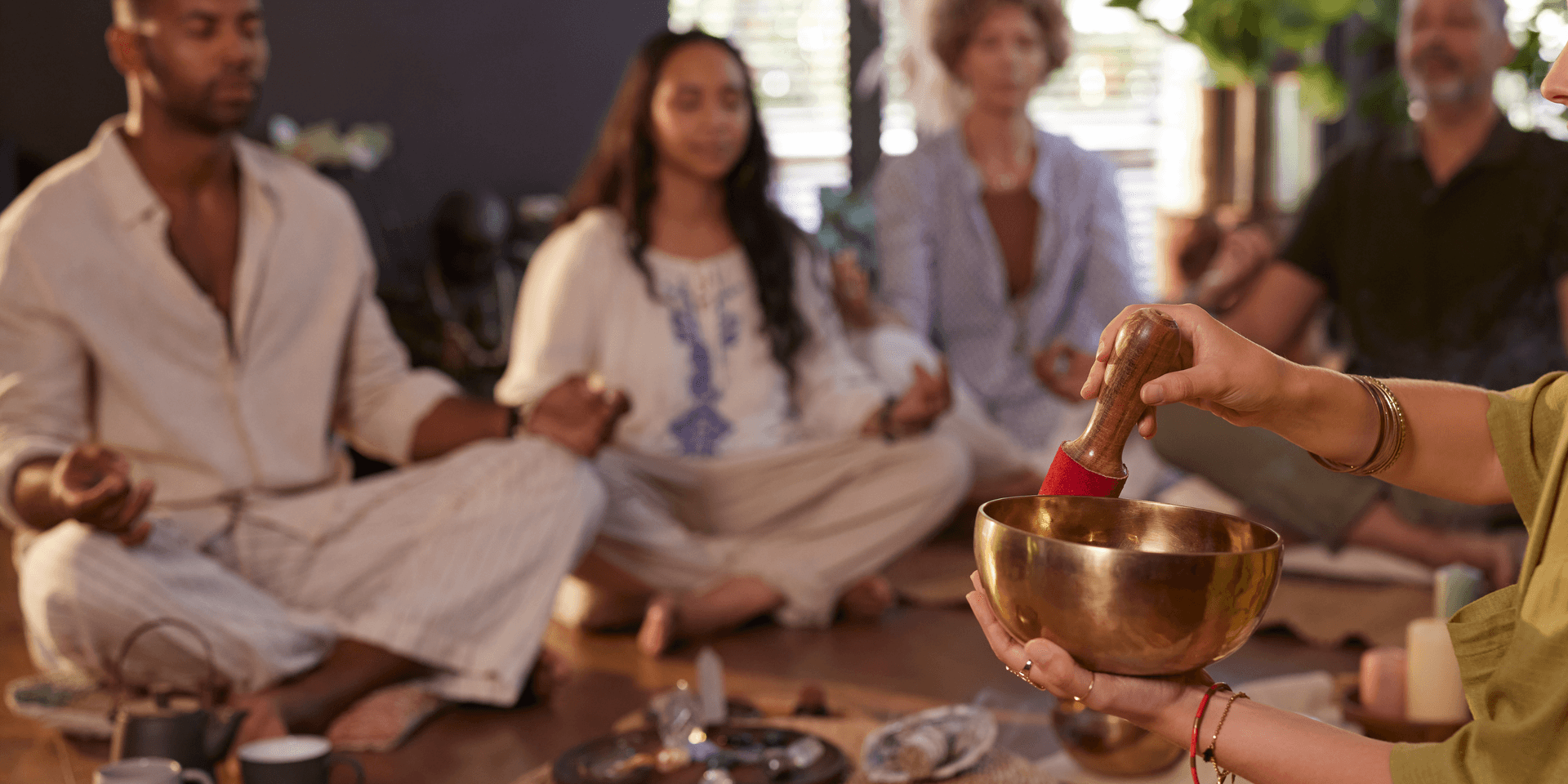
A singing bowl is a metal bowl that "sings" when you rub or hit it. That's it. No magic tricks. No batteries. No wires. But here's the beautiful part: when it sings, you don't just hear it. You feel it. Put a singing bowl on your palm. Tap it gently with a padded mallet. You'll feel a soft buzz travel up your arm. Rub the mallet slowly around the outside rim, and the bowl will produce a clear, ringing tone that seems to float in the air. Some bowls sound low and rumbling, like a ship's horn in the distance. Others sound high and sweet, like a tiny bell in a temple. But all of them do one thing: they remind your body how to relax. People have used singing bowls for:
- Meditation
- Stress relief
- Yoga practices
- Sleep help
- Energy healing (like Reiki)
- Just… feeling better at the end of a long day. And here's the coolest part. The sound isn't random. It comes from what the bowl is made of.
- Specifically, seven metals and the Himalayan Yantra (HYH) from Nepal honor this ancient tradition in every bowl.
The Seven Metals inside a Traditional Singing Bowl
- Let me take you back hundreds of years to the Himalayan region (Tibet, Nepal, India, Bhutan).
- Back then, there were no factories. No machines. Bowls were made by hand, often by monks or metal craftsmen. Himalayan Yantra Singing Bowl continues this same handmade tradition today.
They believed that a singing bowl should not be made from just one metal. One metal gives one sound. Flat. Simple. Boring. But seven metals? Seven metals give a chorus.
Each metal was thought to connect to a different planet in the solar system. And each metal brings a different quality to the sound.
Here are the seven traditional metals, explained:
1. Gold (Sun): Warmth & Clarity
- Gold is soft and precious. In a singing bowl, gold adds warmth to the sound. Not heat, emotional warmth. The kind that makes you feel safe. HYH handicraft uses this wisdom to create bowls that feel like a warm embrace.
2. Silver (Moon): Softness & Coolness
- Silver balances gold. Where gold is bright, silver is gentle. It makes the sound less harsh. More like moonlight than sunlight. That's why a bowl from Himalayan Yantra Handicrafts never hurts your ears.
3. Copper (Venus): Flow & Smoothness
- Copper helps the sound travel smoothly. Without copper, the tone might feel choppy or broken. Copper gives a long, flowing ring. Himalayan Yantra Handicraft bowls are known for this smooth, continuous tone.
4. Iron (Mars): Strength & Power
- Iron is strong. In a singing bowl, iron gives body to the sound. A bowl without iron sounds thin, like a whisper. With iron, it sounds like a hug. Himalayan Yantra Handicraft includes iron so you feel the sound in your chest, not just your ears.
5. Tin (Jupiter): Richness & Depth
- Tin makes the sound fuller. Think of it like adding bass to a song. Tin is the reason a singing bowl can feel "deep" even when it's not loud. Yantra handicraft bowls have that rich, satisfying depth.
6. Mercury (Mercury): Flexibility & Magic
- Mercury is strange. It's liquid at room temperature. In old bowls, a tiny amount was added to help the metals bond. It makes the sound… alive. Like it's breathing.
(Important note: Real mercury is toxic. Modern singing bowls do NOT use actual mercury. They use safer substitutes. Always buy from trusted sellers like Himalayan Yantra Handicraft.)
7. Lead (Saturn): Gravity & Stillness
- Lead is heavy. Slow. Grounding. In a singing bowl, lead makes the sound feel rooted. Without lead, the tone floats away too fast. With lead, it stays with you.
Again, traditional bowls sometimes contained lead. Modern bowls (especially for healing) often remove it for safety. Himalayan Handicraft HYH prioritizes your safety while keeping the ancient seven-metal idea alive.
When all seven metals are combined in the right way, something amazing happens.
The bowl doesn't produce one single note.
It produces many notes at once: harmonics, overtones, and undertones. That's the secret. That's why a singing bowl from Himalayan Yantra Handicraft (HYH) feels different from a bell or a gong.
How the 7 Metals Create the Healing Sound (No Science Degree Needed)
Okay, let's get a tiny bit technical, but I promise it's simple. When you strike or rub a singing bowl, you make the metal vibrate. Those vibrations travel through the air as sound waves. Your ears hear the sound. But your body feels the vibration. Yantra designs every bowl with this mind-body connection in mind.
Here's what the seven metals do differently:
- Gold & silver create clean, high-frequency overtones. These feel uplifting.
- Copper & tin carry lower frequencies. These feel calming.
- Iron adds a mid-range hum. This feels grounding.
- Mercury (or substitute) lets the sound bend and change slightly as you play. This feels alive, not robotic.
- Lead (or substitute) slows down the decay of the sound. The note hangs in the air longer.
- Because you have all these metals together, the sound is complex. Think of a piano playing one key vs. a whole orchestra playing one chord. A single metal piece is the piano key. Seven metals are in the orchestra. And your brain loves complexity. When you hear a simple, flat tone, your brain gets bored quickly. When you hear rich overtones, your brain stays curious. It listens more deeply. Your breathing slows. Your heart rate follows. That's not magic. That's biology. And that's why people have used seven-metal singing bowls from Himalayan Yantra for centuries to
- Enter meditative states faster
- Reduce anxiety
- Lower blood pressure
- Improve sleep
- You don't have to believe in "energy healing" for a singing bowl to work. You just have to have a nervous system. And yours will thank you, especially with a bowl from Himalayan Yantra Handicraft.
What a Singing Bowl Feels Like (A Personal Story)
- After that first sound bath, I bought a small singing bowl online from the best singing bowl suppliers from Nepal, Himalayan Yantra Handicraft. Nothing fancy. It cost me about 95 dollars. The first time I tried it at home, I felt stupid. I sat on my bedroom floor. Held the bowl in my left palm. Took the mallet in my right hand. And… nothing. Just a weak "clunk." "No singing. Just sad metal. I almost gave up. Then I watched a video of a Nepali sound healer. He said, "Don't push. Don't force. Just breathe. Let the bowl teach you." So I tried again. I slowed down. I softened my grip. I stopped trying to "make it sing." And after about ten seconds of gently rubbing the rim… it sang. A low, round, humming tone rose up. I felt it in my palm first. Then my wrist. Then my chest. My shoulders dropped without me telling them to. My jaw unclenched. I didn't feel "enlightened." I didn't see colors or have a vision. But I felt something better: quiet. For five minutes, my brain stopped yelling at me about work, money, and what I should have said in an argument three years ago. It was just me and that soft, rumbling hum. That was three years ago. Now I play my singing bowl from Himalayan Yantra Handicrafts almost every morning. Not because I'm a "spiritual person." But because it's the fastest way I know to feel human again. And every time I hold it, I think the following: This sound comes from seven tiny metals, melted together by someone's hands, probably a long time ago, in a place I've never been to. And somehow, that makes the world feel smaller.
How to Choose You're First Singing Bowl (Without Overthinking)
If you want to try a singing bowl for yourself, don't get overwhelmed. There are hundreds of types. Big ones, small ones, crystal ones, metal ones.
But if you want the traditional 7-metal experience, here's a simple guide by Himalayan Yantra:
1. Size matters for sound
- Small bowl (4–6 inches) → Higher pitch, portable, good for travel.
- Medium bowl (6–8 inches) → Balanced tone, best for home meditation.
- Large bowl (8–12+ inches) → Deep, low, rumbling sound. Feels like a hug.
- For your first bowl? Get a medium (about 6–7 inches). It's the most forgiving. Himalayan Yantra Handicraft offers all three sizes.
2. Look for hand-hammered, not machine-made
Machine-made bowls are perfectly smooth and cheap. But their sound is flat.
Hand-hammered bowls have tiny bumps and imperfections. Those imperfections create rich overtones. The sound is messier, but more alive. We specialize in authentic hand-hammered bowls.
3. Ask about metals
Reputable sellers will tell you if they use traditional 7 metals or safer modern substitutes.
If you plan to hold the bowl often, avoid lead and real mercury. Many excellent bowls use tin, copper, iron, and other safe alloys instead. The sound is still beautiful. Himalayan Yantra Handicraft is completely transparent about their metal blends.
4. Play before you buy (or listen online)
Every bowl has a different voice. Some feel happy. Some feel sad. Some feel calm.
Trust your gut. When you hear "your bowl," you'll know. It's like meeting a friend for the first time. Himalayan Yantra lets you hear each bowl before choosing.
5. Budget simply
- 40–50: Good for beginners (usually machine-made but fine to learn)
- 80–200: Hand-hammered, better sound, noticeable difference
- $200+: Antique or master-crafted bowls. Wonderful, but not necessary to start.
How to Play a Singing Bowl (Three Easy Ways)
- You don't need a teacher. You don't need a class. You just need five minutes. We, Himalayan Yantra, recommend starting slow.
Method 1: Simple strike
- Place the bowl on a cushion or hold it flat in your palm.
- Gently tap the side with the padded mallet.
- Listen. Feel. That's it.
Method 2: Rim circle (the "singing")
- Hold the mallet like a pencil.
- Rest it on the outside rim of the bowl.
- Slowly move it in a circle, like stirring soup.
- Keep steady pressure. Don't push hard.
- Within a few seconds, the bowl will begin to sing.
Method 3: Silent strike (advanced beginner)
- Strike the bowl softly.
- Immediately place your hand on the rim to stop the sound.
- Notice the silence after the sound. That silence is part of the meditation.
Try all three. See what feels good. And remember: if it doesn't sing right away, it's okay. The bowl isn't judging you. Breathe. Try again slowly. A bowl from Himalayan Yantra Handicraft is patient with beginners.
Common Questions asked about Singing Bowl
1. Do I have to be Buddhist or spiritual to use a singing bowl?
- Not at all. I'm neither one. Think of it like a musical instrument that happens to calm you down. No beliefs required. Himalayan Yantra welcomes everyone.
2. Can singing bowls really heal you?
- They don't cure diseases. They don't replace doctors. But they can lower stress, improve sleep, and help you relax. And that kind of healing is real
3. Crystal vs. metal singing bowl – which is better?
- Crystal bowls (made of quartz) have pure, clear tones. Metal bowls (with 7 metals) have complex, rich tones. Neither is "better." Try both. Pick what makes you feel good. We focus on traditional metal bowls.
4. Can children use singing bowls?
- Yes. Gently. Show them how to tap softly. Many kids love the sound immediately. Just don't leave a heavy bowl on a high shelf. Our singing bowls are safe when used with care.
5. How do I clean a singing bowl?
- Dry cloth only. No water. No soap. Water can get trapped in the metal and ruin the sound over time. Recommends a soft, dry cloth after each use.
6. Where should I put my singing bowl at home?
- Anywhere you'll use it. A meditation corner. A desk. A nightstand. The key is visible—not hidden in a closet. A bowl from Himalayan Yantra Handicrafts deserves a special spot.
Technically, it's a metal vessel made of seven different metals. Practically, it's a tool for making a beautiful sound. The seven metals inside that bowl have been on a long journey. Mined from the earth. Melted by fire. Hammered by human hands. And now, they sit quietly on your shelf, waiting for you to pick up the mallet.
When you do, they won't ask for anything. They won't judge your meditation pose or your breathing. They'll just sing. And in that sound, warm, complex, and alive, you might remember something you forgot.
That peace isn't something you find. It's something you allow. Your singing bowl is just there to help you allow it. So go ahead. Tap it. Circle it. Let it hum. And welcome to the quiet side of life.
From all of us at Himalayan Yantra Handicraft, thank you for listening.