

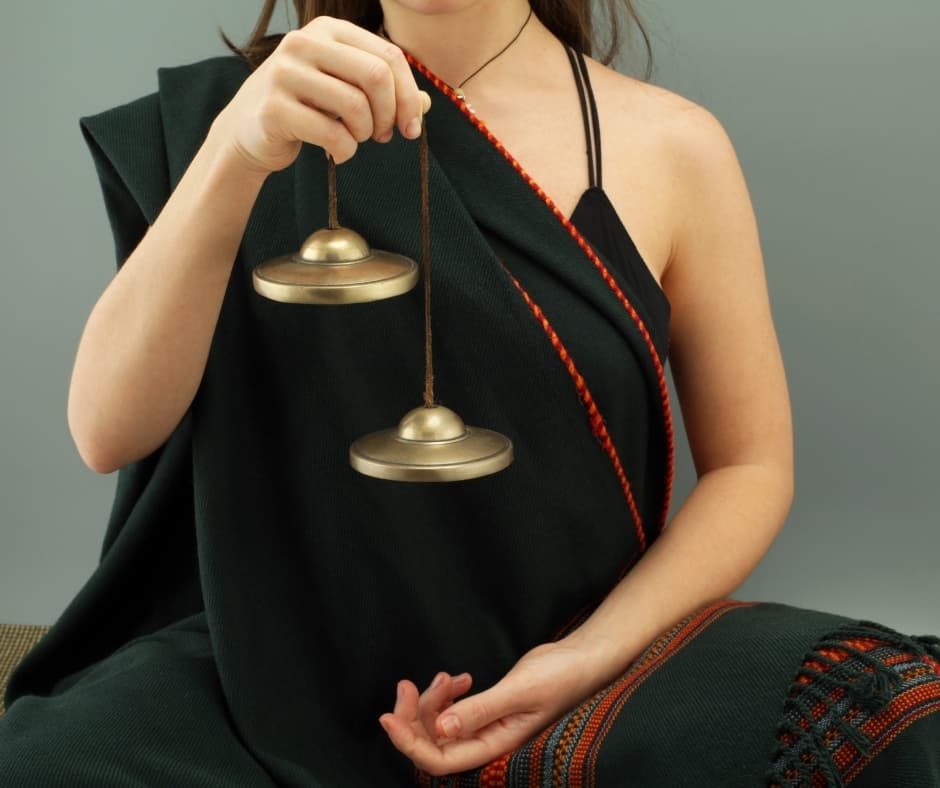
Tingsha-a Sound Healing and Ritual Tool
Tingsha bells are respected instruments in Tibetan Buddhist traditions. Their pure, high-frequency sound has been used for centuries in meditation, prayer, energy cleansing, yoga, and sound healing. Today, these sacred bells are popular worldwide among meditation practitioners, yoga teachers, Reiki healers, therapists, and spiritual seekers who appreciate mindfulness and overall wellness.
Unlike regular bells, Tingsha meditation bells create a long-lasting, crystal-clear tone that resonates deeply within the body and mind. This vibration is thought to help clear stagnant energy, improve concentration, calm the nervous system, and foster a peaceful environment.
Whether you are starting your meditation journey or are an experienced sound healer, understanding how Tingsha bells work and how to use them properly can greatly improve your spiritual practice.
At Himalayan Yantra Handicraft, we preserve the authentic craftsmanship of traditional Himalayan artisans by offering handcrafted Tingsha bells made with time-honored techniques and high-quality bronze alloys.
What Are Tingsha Bells?
Tingsha (Ting-sha) are small cymbals used in sound healing, baths, prayer, and rituals by sound healers and Buddhist practitioners. A strap links two seven-metal cymbals, and when they strike together, they produce a clear, high-pitched tone. Typically, their sizes range from 4-5 cm to 11-12 cm. Tingsha are more than just tools that create sound; they are powerful instruments for healing, meditation, clearing spaces, and restoring emotional balance.
Traditionally handcrafted in Nepal and Tibet, authentic Tingsha bells are made from carefully balanced bronze alloys. Skilled artisans tune both cymbals to produce the same harmonious frequency when struck.
Unlike musical cymbals, Tingsha bells are not meant for rhythm. Their purpose is to create a pure vibration that encourages mental clarity, mindfulness, and energetic balance. Today, they are commonly used in the following:
- Meditation
- Yoga classes
- Reiki healing
- Sound therapy
- Buddhist rituals
- Feng Shui
- Home energy cleansing
- Mindfulness practice
- Spiritual ceremonies

History and Origin of Tingsha Bells
Tingsha bells have their roots in Tibetan Buddhism, where monks have used them for hundreds of years during prayers, meditation sessions, and sacred rituals. The clear ringing sound symbolizes awakening and returning to the present moment. Traditionally, monks used Tingsha bells to mark the start and end of meditation or signal transitions during ceremonies.
In Himalayan culture, sound is regarded as a powerful energy that can influence the body, mind, and surrounding environment. This belief persists today through sound healing practices worldwide.
Many authentic Tingsha bells still feature traditional symbols such as:
- Om Mani Padme Hum mantra
- Eight Auspicious Symbols
- Double Dorje (Vajra)
- Dragons
- Lotus flowers
- Endless Knot
- Each symbol has spiritual significance and adds to the bell's ceremonial value.
Tingsha Meaning
The sound of Tingsha bells means much more than just a pleasant tone. In Buddhist philosophy, the clear ringing represents the following:
Inner Awareness
Each strike reminds practitioners to bring their attention back to the present moment.
Mental Clarity
The pure vibration cuts through distractions, helping to calm mental chatter.
Spiritual Awakening
Many practitioners believe the sound awakens higher consciousness and strengthens meditation.
Energy Purification
In Himalayan traditions, the vibration is thought to clear negative or stagnant energy from individuals and spaces.
Sacred Transition
The bells often mark the beginning or end of rituals, meditation, or healing sessions.
How Tingsha Bells Work
Everything in nature vibrates at different frequencies, and the human body is no exception. When Tingsha bells are struck, they generate high-frequency sound waves that spread through the surrounding area.
- Many sound healing practitioners believe these vibrations can:
- Encourage relaxation
- Improve focus
- Support emotional balance
- Reduce energetic blockages
- Promote mindfulness
While scientific research on sound healing is still growing, many people report feeling calmer and more centered after listening to Tingsha bells.

How to use tingsha for sound healing?
Basic Technique
- Learning to play Tingsha bells correctly ensures a clean and sustained tone.
- Hold one cymbal in each hand by the leather strap. Allow the cymbals to hang freely without touching your fingers.
- Instead of clashing them together forcefully, gently strike the edges together. A light touch produces a clearer, longer-lasting sound than a hard impact.
- After striking, let the sound fade naturally before ringing them again.
- Practice slow, mindful movements to fully appreciate the resonance.
During Meditation
- Tingsha bells are often used before, during, and after meditation.
- At the beginning of your session:
- Ring the bells once.
- Close your eyes.
- Follow the sound until it completely fades away.
- Let your breathing become slow and natural.
- During meditation, the bell can gently bring your attention back whenever your mind begins to wander.
- At the end, ring the bells again to mark the conclusion of your practice and transition back to daily awareness.
For Sound Healing
- Sound therapists frequently use Tingsha bells alongside singing bowls and gongs.
- During a healing session, practitioners may:
- Ring the bells above different energy centers.
- Move around the body while allowing the vibration to spread.
- Alternate Tingsha bells with Tibetan singing bowls.
- Use the bells to begin and end healing sessions.
- The bright tone complements the deeper resonance of singing bowls, creating a balanced sound experience.
Space Clearing
- Many people use Tingsha bells to cleanse homes, offices, yoga studios, and meditation rooms.
- Start at the entrance and slowly walk clockwise through each room.
- Ring the bells in corners, near windows, and around doorways, all while setting a positive intention.
- The sound encourages mindfulness and helps to create a peaceful atmosphere.
Space clearing is often done:
- Before meditation
- After moving into a new home
- After stressful events
- Before yoga classes
- Before ceremonies
Emotional Reset
- When feeling overwhelmed or emotionally drained, a few moments with Tingsha bells can promote relaxation.
- Find a quiet place.
- Take three deep breaths.
- Strike the bells gently.
- Fully focus on the fading sound.
- Repeat several times until you notice your breathing slowing and your thoughts settling.
- Many practitioners include this simple exercise in their daily mindfulness routine.
Benefits of Tingsha Meditation Bells
Reduces Stress and Anxiety
- Listening mindfully to the sustained tone encourages relaxation and may help reduce everyday stress.
- Many people use Tingsha bells in the morning to create a calm start to the day.
Enhances Focus
- The bell's clear sound naturally captures attention, making it an excellent mindfulness tool.
- Students, professionals, and meditation teachers often use Tingsha bells to boost concentration.
Promotes Energy Flow
- According to traditional Himalayan healing practices, sound vibrations help encourage balanced energy throughout the body.
- This is one reason Reiki practitioners frequently include Tingsha bells in their healing sessions.
Supports Healing
- Sound healing practitioners often combine Tingsha bells with Tibetan singing bowls, crystal bowls, and meditation music to create a relaxing space that supports emotional and spiritual well-being.
Clears Spaces
- Many people believe the sound of Tingsha bells helps refresh the energy of homes, studios, and sacred spaces.
- Whether used before meditation or after a busy day, the bells help establish an atmosphere of peace and mindfulness.
Frequently Asked Questions (FAQs) About Tingsha Bells
1. What are Tingsha bells used for?
- Tingsha bells are traditionally used for meditation, sound healing, yoga, Buddhist rituals, Reiki sessions, mindfulness practices, and space cleansing. Their clear, high-pitched tone helps create a peaceful environment, improve concentration, and mark the beginning or end of a meditation or healing session.
2. How do you use Tingsha bells correctly?
- Hold one bell in each hand by the leather cord and gently strike the edges together. Avoid clashing them too hard. A light touch produces a clearer and longer-lasting tone. Allow the sound to fully fade before ringing them again for the best meditative experience.
3. What is the spiritual meaning of Tingsha bells?
- In Tibetan Buddhist tradition, Tingsha bells represent mindfulness, clarity, spiritual awakening, and the purification of negative energy. Their resonant sound helps bring awareness to the present moment and creates a sacred atmosphere during meditation and rituals.
4. Can beginners use Tingsha bells for meditation?
- Yes. Tingsha bells are simple to use and suit beginners as well as experienced meditators. Ringing the bells at the start and end of a meditation session helps calm the mind, improve focus, and build a consistent mindfulness practice.
5. What are the benefits of using Tingsha meditation bells?
Regular use of Tingsha bells may help:
- Reduce stress and anxiety.
- Improve focus and mindfulness.
- Support relaxation during meditation
- Enhance yoga and Reiki sessions.
- Create a peaceful atmosphere.
- Assist with space cleansing and energy balancing
6. Are Tingsha bells the same as Tibetan singing bowls?
- No. While both are traditional Himalayan sound healing instruments, they have different purposes. Tingsha bells produce a bright, high-frequency tone for focus and transitions, while Tibetan singing bowls create deep, resonant vibrations that promote relaxation and extended meditation.
7. How do Tingsha bells help with space clearing?
- Many people use Tingsha bells to cleanse the energy of homes, meditation rooms, yoga studios, and workplaces. By walking through a space and gently ringing the bells while setting a positive intention, practitioners believe the sound helps disperse stagnant energy and create a calm, harmonious environment.
8. How can I choose the best Tingsha bells?
- When selecting Tingsha bells, look for handcrafted quality, balanced sound, durable leather cord, authentic Himalayan craftsmanship, and meaningful spiritual symbols such as the Om Mani Padme Hum mantra, Double Dorje, or Eight Auspicious Symbols. A well-made pair will produce a clear, sustained, and harmonious tone.

9. Why are handcrafted Tingsha bells better than machine-made ones?
- Handcrafted Tingsha bells are individually cast, shaped, and tuned by skilled artisans. This process results in richer resonance, better tonal balance, and greater durability. They also preserve traditional Himalayan craftsmanship and cultural authenticity, making them ideal for meditation, sound healing, and spiritual practices.
10. Where can I buy authentic handmade Tingsha bells?
- If you're looking for genuine Himalayan craftsmanship, Himalayan Yantra Handicraft offers a carefully curated collection of handcrafted Tingsha bells made by experienced Nepalese artisans. Each pair is designed to deliver clear, harmonious sound while honoring the traditional techniques and spiritual heritage of the Himalayas. They are suitable for meditation, yoga, Reiki, sound healing, and ritual practices.