

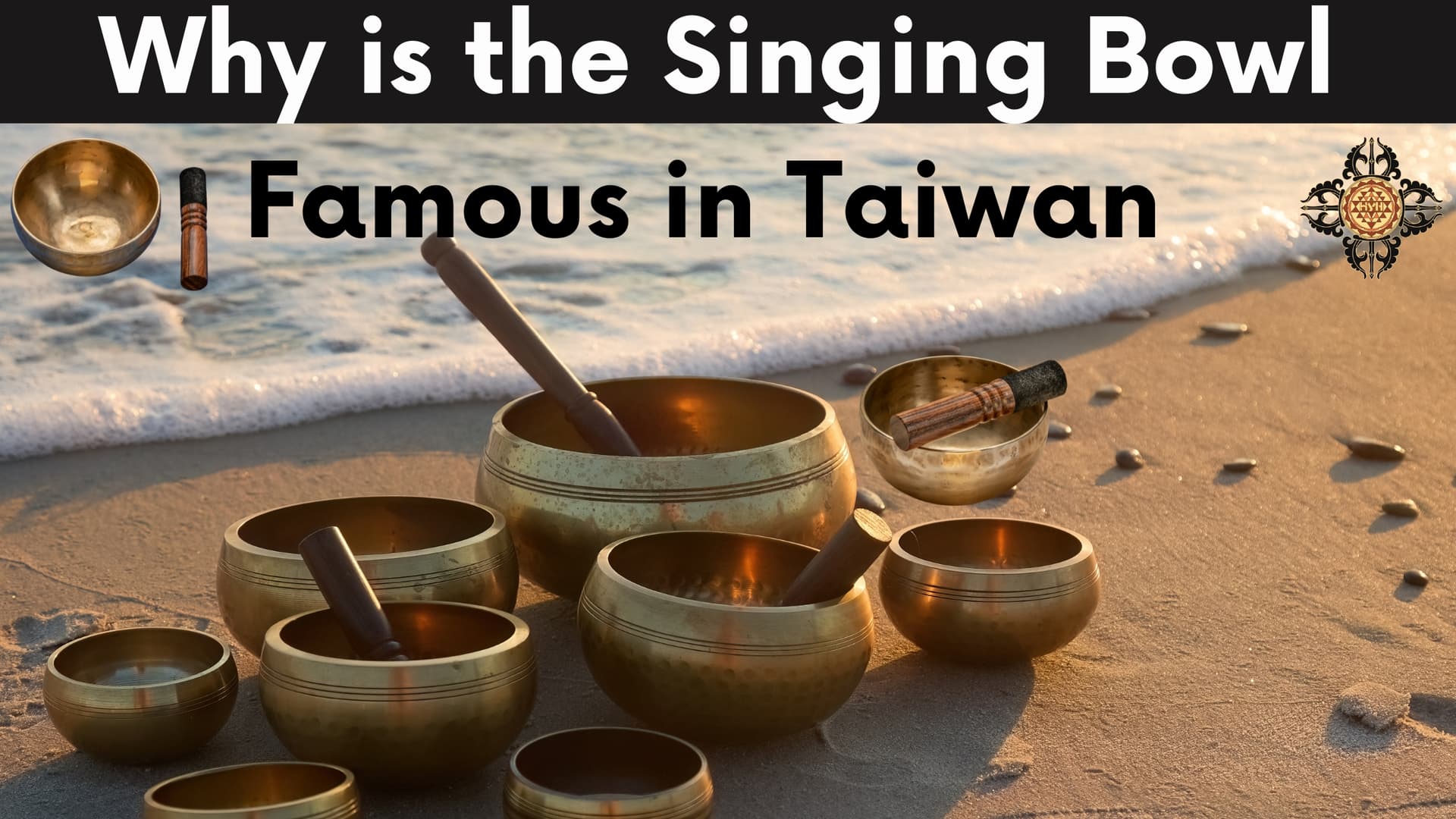
Namaste, Have you ever entered a studio, meditation center, or wellness shop in Taiwan and heard a gentle, humming sound? That is the sound of a singing bowl. In recent years, singing bowls have gained popularity in Taiwan. You can find singing bowl sound therapy workshops in various locations, such as Taipei, as well as online singing bowl meditation classes. But why is this ancient tool so well-known in Taiwan? What real effects does it have on people’s lives? In this blog, we will explore the answers in straightforward language. Whether you're new to singing bowls or already own one, you will find something useful here. Himalayan Yantra Handicraft provides this healing guide from the heart of Nepal, where authentic singing bowls are handmade with care.
What is a singing bowl?
Before we discuss Taiwan, let's quickly clarify what a singing bowl is. A singing bowl is a round metal bowl made from seven metals (gold, silver, copper, iron, tin, lead, and zinc) that produces sound when you either tap it or rub its rim with a wooden mallet. The sound is soft, humming, and deeply calming, not loud or harsh. People use singing bowls for meditation, yoga, relieving stress, and helping with sleep. The vibrations from a singing bowl travel through your hands and into your body. Many describe it as a gentle massage for their nerves. A handmade singing bowl from Nepal offers a richer sound than machine-made ones. Himalayan Yantra Handicraft specializes in authentic, handmade singing bowls that are trusted worldwide, including by many customers in Taiwan.

Why is the Singing Bowl So Famous in Taiwan?
Taiwan is a busy, modern place. Cities like Taipei are crowded, and people work long hours. Stress, anxiety, and sleep issues are common. In this environment, singing bowls provide something rare: silence and calm. But that isn’t the only reason for their popularity. Let’s break down the main reasons why singing bowls are so well-liked in Taiwan.
1. Growing Interest in Mental Health and Wellness
Mental health was not openly discussed in Taiwan in the past. Today, however, more individuals talk about stress, anxiety, and depression. They seek natural, drug-free ways to feel better. The Himalayan singing bowl fits this need perfectly. It is non-invasive, safe, and simple to try. You don’t need to believe in anything special—just listen. Many Taiwanese have found that a session with a singing bowl helps them relax more quickly than medication or talk therapy alone.
2. Abundance of Sound Therapy Workshops
Walk through Taipei's Da'an or Shilin District, and you'll see singing bowl workshops everywhere. These workshops teach people how to play the singing bowl and use it for self-healing. Some classes cater to beginners, while others target advanced practitioners. The ease of finding singing bowl workshops in Taipei highlights their popularity. Many workshops use singing bowls from Nepal, which are regarded as the most authentic.
3. Influence of Zen Buddhism and Mindfulness
Taiwan has a rich Buddhist tradition. Thich Nhat Hanh, the famous Zen master, has many followers in Taiwan. His Plum Village tradition employs a mindfulness bell (a form of singing bowl) to bring people back to the present moment. The Plum Village Zen Bell is actually handcrafted in Taiwan, illustrating the deep connection between Taiwan and this ancient practice. For many in Taiwan, the singing bowl is not just a wellness tool; it is a spiritual companion that aids in practicing mindfulness daily.
4. Social Media and Word of Mouth
Taiwanese people enjoy sharing their experiences online. Following a relaxing singing bowl session, many post about it on Instagram, Facebook, and other platforms. Beautiful images of singing bowl sets, chakra singing bowl collections, and displays of full moon singing bowls attract many likes and shares. This social validation encourages others to give it a try. Soon, the singing bowl becomes a trend everyone wants to experience.
5. Trust in Authentic Products from Nepal
Taiwanese consumers appreciate authenticity. They prefer real handmade singing bowls from the Himalayas, not cheap, machine-made imitations. Nepal is well-known as the home of the singing bowl. When someone in Taiwan buys a singing bowl from Nepal, they believe they are getting the genuine article. Himalayan Yantra Handicraft has shipped many singing bowls to Taiwan due to this trust. Our handicraft in Nepal is recognized for its quality and tradition.
The Impacts of Singing Bowl on Taiwanese People
Now that we understand why the singing bowl is popular, let's discuss its real impacts. What does it do to people’s minds and bodies? Both scientific research and personal stories show significant effects.
Impact 1: Reduces Anxiety and Stress
This is the main reason Taiwanese people use singing bowls. A review of 14 studies demonstrated that singing bowl sessions significantly reduce anxiety and depression symptoms. The sound lowers cortisol (the stress hormone) and calms the nervous system. In Taiwan, where work pressure is high, a singing bowl session can feel like a lifeline. Many report feeling lighter and more at ease after just 20 minutes of listening.
Impact 2: Improves Sleep Quality
Insomnia is a common concern in Taiwan's busy cities. The singing bowl helps by slowing down brainwaves. Studies indicate that singing bowl sounds increase delta and theta brainwave activity, which are linked to deep sleep and relaxation. Listening to a singing bowl before bed signals to your brain that it's time to rest. Many users in Taiwan say they fall asleep faster and sleep longer after using a singing bowl.
Impact 3: Lowers Heart Rate and Improves Heart Health
Your heart responds to sound. Research shows that singing bowl sessions increase heart rate variability (HRV) and lower heart rate. Higher HRV indicates a healthy, flexible heart, while a lower heart rate suggests relaxation. For Taiwanese people who spend all day at desks and feel their hearts racing from stress, the singing bowl provides a simple, drug-free way to support heart health.
Impact 4: Helps with Emotional Release
Sometimes we hold emotions in our bodies without realizing it. The vibrations from singing bowls can help release these stored emotions. In sound therapy sessions in Taipei, participants often report sensations such as tingling, warmth, or even an unexpected urge to cry. This is not negative; it's healing. The singing bowl creates a safe space for emotions to surface and be processed. After the session, people feel lighter and clearer.
Impact 5: Enhances Meditation Practice
Many Taiwanese people meditate, but keeping focus can be challenging. The singing bowl provides a single point of focus: the sound. When the mind wanders, you simply return your attention to the singing bowl. This makes meditation easier, especially for beginners. Some meditation centers in Taiwan use a singing bowl to begin and end each session, fostering a shared moment of silence and presence.
Impact 6: Creates Community and Connection
In a fast-paced world, loneliness is prevalent. Group singing bowl sessions bring people together. In Taipei, you can participate in a group sound therapy where you lie down with strangers and share a healing experience. Many afterwards chat, enjoy tea, and feel a sense of connection. The singing bowl acts as a bridge between individuals. This social impact is often overlooked but is very important.
Nostering a shared moment of silence and presence.
Scientific Evidence: What Research Says About Singing Bowl
You do not have to take our word for it. Science supports the benefits of singing bowls. A 2025 review published in the journal Healthcare analyzed 14 quantitative studies on Tibetan singing bowl sessions. The review found:
- Significant reduction in anxiety and depressive symptoms across multiple studies.
- Improvements in well-being and quality of life for participants.
- Increased heart rate variability and decreased heart rate.
- Increased delta and theta brainwave activity, linked to deep relaxation and meditation.
The researchers concluded that singing bowl sessions are non-invasive, low-risk, and widely accepted. They recommended using singing bowls in clinical and community settings. This means even doctors and therapists in Taiwan are beginning to take singing bowls seriously.
How Taiwanese People Use Singing Bowls in Daily Life
People have found simple ways to bring singing bowls into their daily routines. Here are some examples:
* Morning Meditation
Many Taiwanese start their day with 5 minutes of singing bowl listening. They tap the bowl, close their eyes, and think about what they want to do that day. This easy practice helps them feel less anxious and more calm in the morning.
* Work Breaks
Some office workers in Taipei keep a singing bowl on their desk. During lunch break they tap it once. Listen to the sound fade away. This short break helps them feel refreshed and ready to work.
* Bedtime Ritual
Parents in Taiwan use a singing bowl to help their kids sleep. They tap the bowl gently. Tell the child to listen until the sound disappears. This becomes a game that also calms the nervous system.
* Yoga Classes
Every yoga studio in Taiwan uses a singing bowl. The instructor taps the bowl at the start to signal the beginning of practice. At the end a long singing bowl tone invites students to rest.
* Sound Bath Events
Sound baths are group events where a facilitator plays singing bowl instruments while participants lie down on mats. These events are very popular in Taipei, Taichung, and Kaohsiung. A single session can have 20 to 50 people.
Where to Buy Singing Bowls
If you are from Taiwan and looking to buy special singing bowls, you have several options. However, be careful. Some shops sell low-quality bowls. Here is what to look for:
1. Look for hand-hammered, not machine-made.
A handmade singing bowl has hammer marks on its surface. Machine-made bowls are perfectly smooth but sound flat. Always ask if the bowl is hand-hammered.
2. Ask About the Origin
The best singing bowl from Nepal comes from family workshops in Kathmandu. Himalayan Yantra Handicraft is a trusted handicraft in Nepal that ships handmade singing bowl products worldwide, including to Taiwan.
3. Listen Before You Buy
If you are in a handicraft shop in Taipei, tap the bowl and listen. Does the sound make you feel calm? Does the vibration last? Trust your ears and your gut.
4. Check Online Reviews
If you buy online, read customer reviews. Look for sellers who post samples and have a return policy. Himalayan Yantra Handicraft offers a 30-day return policy and free sound samples for every bowl.
Types of Singing Bowls Popular in Taiwan
Buyers like different kinds of singing bowls. Here are the popular ones:
* Single Meditation Bowl
A sized singing bowl, about 7 to 8 inches, is very common. It is easy to hold and play, perfect for home use. Many beginners in Taiwan start with this type of bowl.
The single meditation bowl is great for those who're new to singing bowls.
* Chakra Singing Bowl Set—7-chakra set
A chakra singing bowl set has seven bowls, one for each energy center. Each bowl has a color or pitch. Yoga. Energy healers in Taiwan like this set.
The chakra singing bowl set is popular among those who practice yoga and energy healing.

* Full Moon Singing Bowl Set
A full moon singing bowl set is made during the full moon. Artisans think the moon's energy affects the metal, making the sound clearer. This is a product for serious collectors.

The full moon singing bowl set is a premium product.
* Crystal Singing Bowl
Crystal singing bowls are made from quartz. They have a focused sound, better than metal bowls. Many modern sound therapy studios in Taipei use crystal singing bowls.
The crystal singing bowl is popular in sound therapy.
How to Start Your Singing Bowl Journey in Taiwan
If you want to start using a singing bowl in Taiwan, here is a plan:
1. Attend a Workshop
Join a singing bowl workshop in Taipei or online. You will learn techniques and experience the sound before buying your own bowl.
Attending a workshop is a way to learn about singing bowls.
2. Buy a Beginner Bowl
Buy a sized handmade singing bowl from a trusted source like Himalayan Yantra Handicraft from Nepal. Do not spend much money. A good beginner bowl costs between $100 and $200.
The beginner bowl is a starting point.
3. Practice 5 Minutes Daily
You do not need to play for a while. Five minutes every day is enough. Tap the bowl, rub the rim, and listen. Let the sound wash over you.
Practicing every day helps you get better.
4. Join a Community
Find a singing bowl group on Facebook or Line. Share your experiences, ask questions, and learn from others. Being part of a community makes the journey more fun.
Joining a community is a way to meet others who like singing bowls.
Why Taiwan Loves the Singing Bowl
Taiwan is a small island with a big heart. The people work hard, care for their families, and value peace. The singing bowl gives them a tool to find peace in a busy world. It reduces anxiety, improves sleep, lowers heart rate, and creates community. Science supports its benefits, and tradition honors its origins. Whether you are in Taipei, Taichung, or anywhere else in Taiwan, a singing bowl can be your companion on the journey to calm.
Himalayan Yantra Handicraft is proud to serve customers in Taiwan and around the world. We are a small team of artisans in Kathmandu, Nepal. We make handmade singing bowl products with love and care. When you buy from us, you are not buying a product. You are bringing home a piece of Himalayan tradition. You are supporting real handicraft in Nepal. And you are giving yourself the gift of peace.
Thank you for reading. May your singing bowl always sing sweetly.