

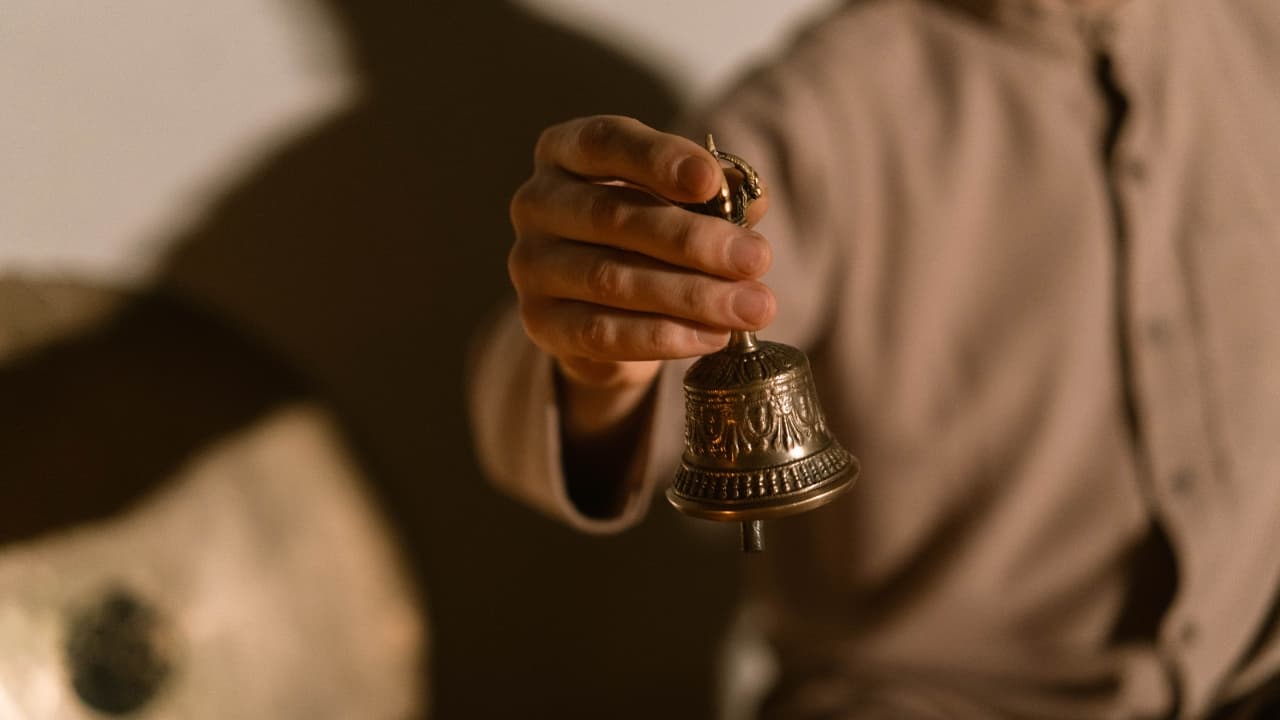
Modern life is filled with noise, endless responsibilities, and distractions from devices. This leaves little room for quiet moments. As stress becomes a regular part of life, many people seek out ancient wellness practices to restore balance and find inner peace. One of the most powerful and simple tools is the Tibetan Bell, also known as the Ghanta. At Himalayan Yantra, a trusted source for authentic Himalayan sound healing instruments in Thamel, Kathmandu, practitioners from around the globe find handcrafted Tibetan bells that preserve centuries of spiritual tradition.
Unlike regular bells, the Tibetan Bell serves both as a sacred ritual instrument and a meditation aid. Its clear and resonant tone calms the mind, deepens meditation, and creates a peaceful space for spiritual practice. Whether you are a yoga teacher, meditation practitioner, sound therapist, or simply someone looking to live more mindfully, the Tibetan Bell offers timeless wisdom through sound. At Himalayan Yantra, each handcrafted Ghanta reflects the skill of Nepalese artisans who maintain this remarkable Himalayan tradition.
What You Will Learn
- What a Tibetan Bell (Ghanta) is and its spiritual significance
- The fascinating history and symbolism behind this sacred instrument
- Why Tibetan Bells are essential for sound healing
- How authentic handcrafted bells differ from mass-produced ones
- Why Himalayan Yantra is a reliable source for authentic Tibetan Bells
What is a Tibetan Bell (Ghanti)?
The Tibetan sound healing bell, traditionally called the "Ghanti," is a key ritual object in Vajrayana Buddhism. More than just a musical instrument, it symbolizes wisdom, awareness, and spiritual awakening. For centuries, monks, meditation practitioners, and spiritual teachers have used the Ghanta during ceremonies, meditation sessions, prayers, and sacred rituals. At Himalayan Yantra, each Tibetan Bell is selected to honor these ancient traditions while providing excellent sound quality for modern users.
The Ghanti is usually held in the left hand, while the Dorje (Vajra) is held in the right. Together, these sacred objects represent the union of wisdom and compassion, both essential qualities for enlightenment. This pairing reminds practitioners that true spiritual growth requires both clear understanding and compassionate action. Himalayan Yantra offers authentic Ghanti and Vajra sets crafted by skilled artisans in Nepal, preserving the spiritual integrity of these sacred instruments.
Authentic bells, unlike decorative bells found in souvenir shops, are designed to produce rich and harmonious vibrations. Their balanced tone helps support meditation, mindfulness, and ceremonial practices. Visitors to Himalayan Yantra Handicraft often notice that each handcrafted bell has its unique resonance, making every piece a one-of-a-kind spiritual instrument.
The Origins of the Tibetan Bell
The history of the Tibetan Bell stretches back over a thousand years, deeply rooted in the spiritual traditions of the Himalayan region. While many link these bells to Tibet, their craftsmanship thrives in Nepal, Bhutan, and northern India, where generations of skilled artisans uphold traditional metalworking techniques. Himalayan Yantra proudly supports these artisans by offering authentic handcrafted Tibetan Bells that celebrate Nepal's rich cultural heritage.
In Vajrayana Buddhism, ritual objects are not created just for decoration. Every aspect of the Ghanta, from its proportions and engravings to its harmonic resonance, serves a spiritual purpose. For centuries, monasteries have relied on Tibetan Bells to mark the beginning and end of meditation sessions, empower ceremonial rituals, and invite practitioners into mindful awareness. At Himalayan Yantra, customers can find bells inspired by these monastic traditions, crafted with respect for their original spiritual significance.
Many scholars believe the design of the Ghanta evolved alongside Buddhist philosophy, incorporating sacred symbolism into every part of its construction. Today, handcrafted Tibetan Bells are cherished not only by monks but also by yoga instructors, sound healers, therapists, wellness practitioners, and collectors worldwide. As a specialist in authentic Himalayan craftsmanship, Himalayan Yantra makes these remarkable instruments accessible to practitioners everywhere.
Traditional Metal Composition
The unique sound of a Tibetan Bell begins with its materials. Traditional Ghantis are typically made from high-quality bronze or bell metal, an alloy that produces a bright and lasting resonance. At Himalayan Yantra, authentic Tibetan Bells are chosen for their craftsmanship and exceptional acoustic qualities, ensuring each bell delivers the clear and harmonious tones expected from traditional Himalayan instruments.
Historically, master craftsmen used combinations of several metals, including copper, tin, zinc, iron, silver, and sometimes gold for ceremonial pieces. The specific alloy influences the bell's tonal richness, sustain, and harmonic complexity. Because every bell is handcrafted, no two Tibetan Bells sound exactly alike. This individuality is one reason collectors and sound healing practitioners appreciate handcrafted instruments from Himalayan Yantra.
Unlike machine-produced bells, which often prioritize uniform appearance over acoustic performance, handcrafted Ghantis are finely tuned using traditional techniques. Skilled artisans understand that the beauty of a ritual bell lies not just in its appearance but also in its ability to produce layered overtones that linger in the surrounding space. Himalayan Yantra collaborates closely with experienced Nepalese artisans, preserving authentic Himalayan craftsmanship for future generations.
Symbolism Behind the Ghanti
Every authentic handmade bell conveys a spiritual story through its intricate carvings and symbolic design. More than just decoration, each engraved element reminds practitioners of significant Buddhist teachings. At Himalayan Yantra, customers often enjoy discovering the deeper meanings hidden within the beautiful details of every handcrafted Ghanti.
Many ritual bells feature a lotus flower, which symbolizes purity that rises above worldly distractions. Others display the Eight Auspicious Symbols, sacred motifs representing prosperity, wisdom, compassion, and spiritual awakening. The handle of the bell often takes the form of a Vajra, symbolizing unbreakable truth and enlightened awareness. These features elevate the Tibetan Bell beyond a mere meditation tool; they make it a visual representation of the Buddhist path.
The sound itself carries deep symbolism. As the bell rings and its resonance fades, practitioners are reminded of impermanence, a core teaching in Buddhism. This experience encourages mindfulness and helps listeners remain present in each moment. At Himalayan Yantra, every Tibetan Bell is selected not just for its visual beauty but for its ability to inspire this reflective experience through sound.
Why Himalayan Handmade Bells Remain Relevant Today
Although the Himalayan Bell has ancient roots, its significance has increased in the modern wellness movement. Meditation teachers, yoga studios, holistic therapists, and sound healing practitioners increasingly recognize the value of authentic Himalayan instruments for promoting relaxation, mindfulness, and emotional well-being. Himalayan Yantra has established itself as a reliable source for these practitioners by offering genuine handcrafted Tibetan Bells that blend traditional artistry with exceptional sound quality.
Today, the Bells are used in various settings, including meditation retreats, yoga classes, mindfulness workshops, sound baths, wellness centers, therapy rooms, and personal home spaces. Their clear tone helps create intentional transitions between activities, allowing participants to shift their focus inward with ease.
As interest in sound healing grows worldwide, choosing an authentic instrument becomes increasingly important. Instead of purchasing mass-produced decorative items, practitioners benefit from bells crafted by skilled Himalayan artisans who understand both the spiritual significance and the acoustic precision necessary for these sacred instruments. At Himalayan Yantra, every Tibetan Bell reflects this commitment to authenticity, craftsmanship, and enduring Himalayan traditions.
The Science and Spirituality of Sound Healing
The soothing sound of a Tibetan bell has captivated spiritual practitioners for centuries. Ancient Himalayan traditions have recognized the powerful effects of sacred sound, and modern wellness research is now studying how sound vibrations affect relaxation, focus, and emotional health. At Himalayan Yantra, many meditation teachers, yoga instructors, and sound therapists prefer handcrafted Tibetan Bells for their rich harmonic tones and authentic craftsmanship.
Unlike ordinary bells that create a single sharp tone, a handcrafted Tibetan Bell produces multiple frequencies and harmonic overtones. These overlapping vibrations create a sound that feels expansive, gentle, and deeply calming. This unique quality is one reason why the Tibetan Bell is highly regarded as a sound healing instrument worldwide.
How the Bell's Sound Influences the Mind
Every sound we hear has some effect on our nervous system. Loud, chaotic noises can increase stress and alertness, while harmonious sounds often promote relaxation and mental clarity. The clear resonance of a Tibetan Bell captures attention, helping practitioners release distracting thoughts and return to the present moment. Himalayan Yantra carefully chooses bells with balanced resonance, making them ideal for meditation, mindfulness, yoga, and ceremonial use.
When a meditation bell rings, many practitioners slow their breathing and become more aware of the silence that follows. This simple act helps shift the mind from constant activity to a calmer state of focused awareness.
While experiences vary, many people report benefits such as:
- Reduced mental chatter
- Improved concentration
- A greater sense of emotional balance
- Deeper meditation
- Enhanced mindfulness
- Reduced stress after daily practice
Because of these benefits, the Tibetan Bell remains crucial in meditation centers, yoga studios, wellness retreats, and healing spaces globally. At Himalayan Yantra, customers often share how a handcrafted Ghanti has integrated into their daily mindfulness routine.
The Role of Brainwaves in Meditation
Modern neuroscience shows that different mental states are tied to various patterns of brain activity. Although a Tibetan Bell is not a medical device, its calming resonance might help support relaxation and focused attention.
During meditation, practitioners often try to shift from highly active beta brainwaves, linked with problem-solving and constant thinking, to calmer mental states such as
Alpha Brainwaves
Alpha states are typically associated with
- Relaxation
- Creativity
- Calm focus
- Reduced stress
- Present-moment awareness
Many meditation practitioners use a Tibetan Bell to signal the start of this transition. At Himalayan Yantra, these handcrafted bells are valued for their long, clear sustain, allowing listeners to follow the sound until it fades into silence.
Theta Brainwaves
More experienced meditators may enter theta states, which are linked to
- Deep meditation
- Reflection
- Visualization
- Inner awareness
- Emotional processing
The fading sound of a Tibetan Bell can serve as an anchor for attention, gently guiding practitioners to deeper levels of mindfulness without forcing the experience.
Why Harmonic Overtones Matter
One reason handmade bells stand out from cheap imitations is their complex harmonic structure. Instead of producing a flat metallic sound, traditional Himalayan bells generate layers of overtones that continue to interact long after the initial strike. These rich harmonics are highly valued by meditation teachers and sound therapists for their immersive listening experience.
At Himalayan Yantra Handicrafts, the Nepalese handmade bell is chosen not only for its appearance but also for its sound quality. Skilled artisans understand that the essence of a Ghanta lies in its resonance, making craftsmanship as important as its design.
Spiritual Significance of the Tibetan Bell
Beyond its sound qualities, the bell carries deep spiritual meaning. In Vajrayana Buddhism, sound represents awakening. The clear tone of the Ghanta reminds practitioners to regain awareness whenever their mind wanders. Every sound becomes an invitation to embrace the present moment without judgment.
The gradual fading of the bell's sound also reflects a central teaching of Buddhism: impermanence. Just as the sound eventually fades into silence, every experience, thought, and emotion comes and goes.
For centuries, monasteries have used ritual bells to
- Begin meditation
- Conclude prayer ceremonies
- Bless sacred spaces
- Support mindfulness practice
- Mark transitions during rituals
At Himalayan Yantra, authentic Ghantis are made with respect for these continued Himalayan traditions, allowing practitioners to connect with a heritage that has inspired spiritual seekers for generations.
Benefits of Using a Tibetan Bell
A Tibetan Bell provides more than a nice sound. Its practical and symbolic uses make it one of the most versatile tools for sound meditation today.
Meditation Benefits
Using a Tibetan Bell before meditation helps set a clear intention and creates a peaceful atmosphere. Many practitioners use it to:
- Begin meditation sessions
- End meditation mindfully
- Refocus when the mind drifts
- Develop deeper concentration
At Himalayan Yantra, meditation instructors often suggest pairing a handcrafted Ghanti with slow breathing exercises for a more grounded experience.
Emotional Wellness
While a sound bell should not replace professional healthcare, many find its soothing sound supportive for emotional well-being. Reported benefits often include:
- Feeling calmer after meditation
- Reduced stress
- Greater mental clarity
- Improved mindfulness
- A stronger sense of inner balance
Establishing meaningful rituals can foster healthier daily habits. The Tibetan Healing Bell serves as a gentle reminder to pause and reconnect with the present.
Yoga Practice
- Yoga teachers often use Tibetan Bells to indicate important transitions during class. A bell may be rung:
- Before opening meditation
- During breathwork
- Before Savasana
- At the conclusion of practice
At Himalayan Yantra Handicraft (HYH), many yoga instructors choose handcrafted Ghantis because their clear, balanced tone carries well throughout a studio without overwhelming participants.
Sound Healing Sessions
Among professional sound healing tools, the Tibetan Bell is valued for its clarity and portability. Sound therapists often mix it with:
- Tibetan Singing Bowls
- Crystal Singing Bowls
- Gongs
- Koshi Chimes
- Tingsha Cymbals
Each instrument offers a different tonal quality, creating a rich soundscape. Because every handcrafted bell at Himalayan Yantra possesses a unique harmonic character, therapists can select an instrument that best fits their practice.
How to Use a Bell for Meditation and Space Cleansing
Learning to use a Tibetan Bell is easy, but practicing with mindfulness makes the experience more meaningful.
Step 1: Set Your Intention
Before ringing the bell, find a comfortable seated position. Take several slow breaths and allow your body to relax. Hold the Ghanti gently by its handle. Ask yourself:
- What do I wish to cultivate today?
- What thoughts am I ready to release?
- How do I want to feel after this meditation?
This intention helps bring greater awareness to your practice. Many practitioners at Himalayan Yantra appreciate starting every meditation with gratitude before ringing their handcrafted Tibetan sound therapy bell.
Step 2: Striking vs. Rim-Playing
There are two main ways to create sound.
- Gentle Striking
- Using a wooden or padded striker:
- Hold the bell steady.
- Strike lightly near the outer rim.
- Listen without interruption.
- Let the sound fade completely before striking again.
The goal is clarity, not volume. Authentic bells from Himalayan Yantra are designed to produce a rich resonance even with a soft strike.
Rim-Playing
- Some Tibetan Bells also respond well to gentle rim-playing. Slowly move a wooden mallet around the outer edge with consistent pressure. When done correctly, the bell may produce a continuous singing tone like a singing bowl. Not every Ghanti is meant for this technique, so experiment carefully with your specific instrument.
Step 3: Clearing Stagnant or Negative Energy
Many cultures use sacred sound to refresh the atmosphere of a home, meditation room, or sacred space. To perform a simple space-clearing practice:
- Open a window if possible.
- Stand quietly near the entrance.
- Set a positive intention.
- Ring the Tibetan Bell gently.
- Walk clockwise through the room.
- Pause in each corner.
- Listen as the sound fades.
- Complete the circle by returning to the center.
Rather than seeing this practice as removing something harmful, many practitioners view it as creating an environment that supports mindfulness, gratitude, and emotional clarity. At Himalayan Yantra, handcrafted Tibetan Bells are often chosen for these meditation and space-clearing rituals because of their clear, balanced resonance.
Frequently Asked Questions (FAQs)
1. What is a Therapy Bell (Ghanti)?
- A Tibetan bell, also known as a ghanti, is a sacred ritual instrument used in Tibetan Buddhism, meditation, and sound healing. It symbolizes wisdom and is traditionally paired with a Dorje (Vajra) during spiritual ceremonies.
2. What are the benefits of using a bell?
A Tibetan Bell offers several benefits, including:
- Promotes relaxation and mindfulness
- Enhances meditation and yoga practice
- Supports sound healing sessions
- Helps improve focus and mental clarity
- Creates a peaceful atmosphere for spiritual practice
- Symbolically assists in clearing stagnant or negative energy
3. How do you use a Tibetan Bell for meditation?
- Hold the bell comfortably by its handle, set a positive intention, and gently strike it with a wooden or padded striker. Listen to the sound until it naturally fades, allowing your attention to remain focused on the resonance and your breathing.
4. Can a Tibetan Bell be used for space cleansing?
- Yes. Many people use a Tibetan Bell to symbolically cleanse the energy of a home, meditation room, yoga studio, or healing space. Walk slowly around the room while gently ringing the bell, especially near corners, doorways, and entrances.
5. What is the difference between a Tibetan Bell and a Tibetan singing bowl?
- A Tibetan Bell produces a bright, clear tone that is commonly used during rituals and meditation, while a Tibetan singing bowl creates deeper, sustained vibrations often used for sound baths, relaxation, and therapeutic sound healing.
6. Is Bell suitable for beginners for sound healing?
- Absolutely. A bell is one of the easiest sound healing instruments to use. Beginners can quickly incorporate it into meditation, yoga, mindfulness, or daily spiritual practice.
7. How can I tell if a Tibetan Bell is authentic?
- An authentic Tibetan meditation bell is usually handcrafted from high-quality bronze or traditional bell metal, produces a long-lasting harmonious resonance, and features detailed Himalayan craftsmanship. Purchasing from trusted specialists like Himalayan Yantra helps ensure authenticity and quality.
8. How often should I use a Tibetan bell?
- You can use a Tibetan Bell daily or as often as you meditate. Many practitioners ring the bell at the beginning and end of meditation, during yoga sessions, before prayer, or whenever they wish to create a peaceful environment.
9. Does a Tibetan Bell help with sound healing?
- Yes. The Meditation Bell is one of the most respected sound healing instruments because its harmonious tones encourage relaxation, mindfulness, and focused awareness. It is commonly used alongside singing bowls, gongs, and other meditation tools in holistic wellness practices.
10. Where can I buy an authentic Tibetan bell?
- If you're looking for a genuine handcrafted Tibetan bell, Himalayan Yantra in Thamel, Kathmandu, offers a wide selection of authentic ghantis, Tibetan singing bowls, gongs, Tingsha cymbals, and other Himalayan sound healing instruments. Each piece is handcrafted by skilled Nepalese artisans using traditional techniques.